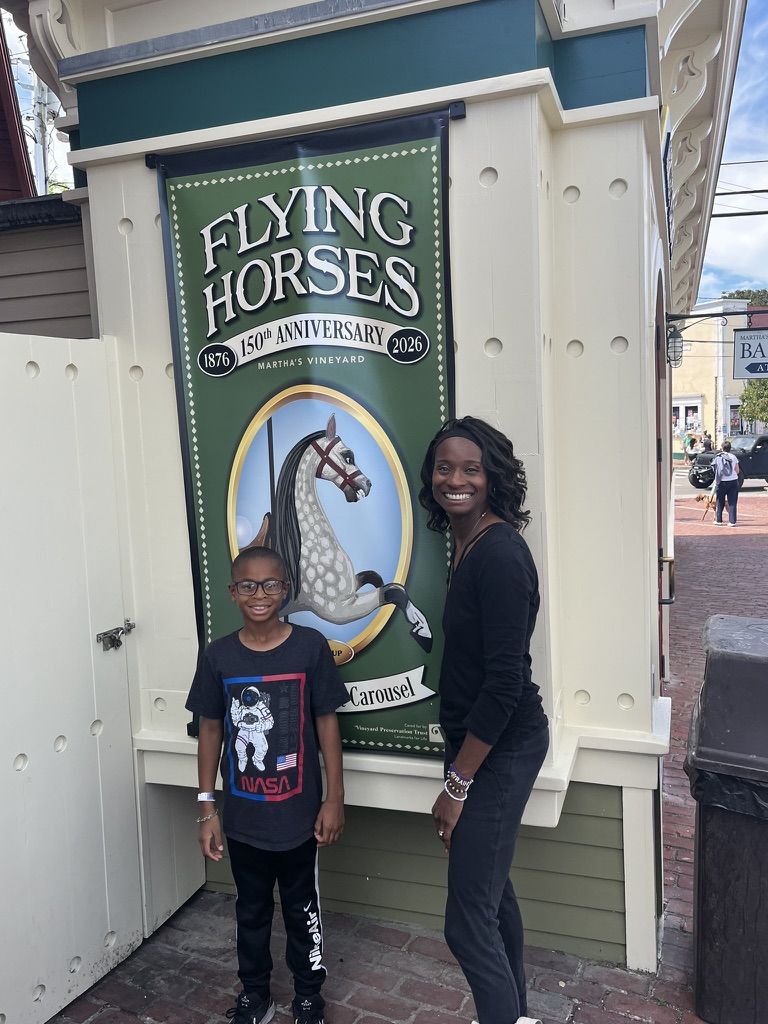
Walk through a vineyard and you’ll see something beautiful happening.
Vines stretch outward. Branches reach in different directions. New growth emerges from older growth. Everything is connected, and what happens beneath the surface eventually determines what flourishes above it.
Our brains are much the same.
The brain grows through an extraordinary network of connections. Experiences, movement, relationships, creativity, rest, nutrition, music, play and learning all become part of the environment in which those connections develop.
That is why Minds Across the Vineyard: A Forum on Brain Health & The Brain Economy felt like such an appropriate name for a gathering about the future of our brains and the brain economy.

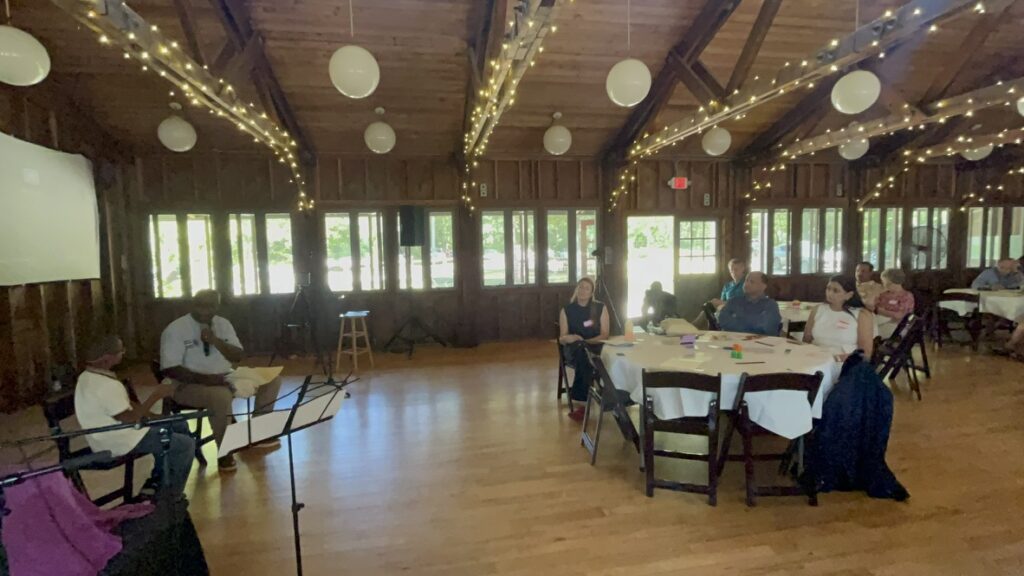
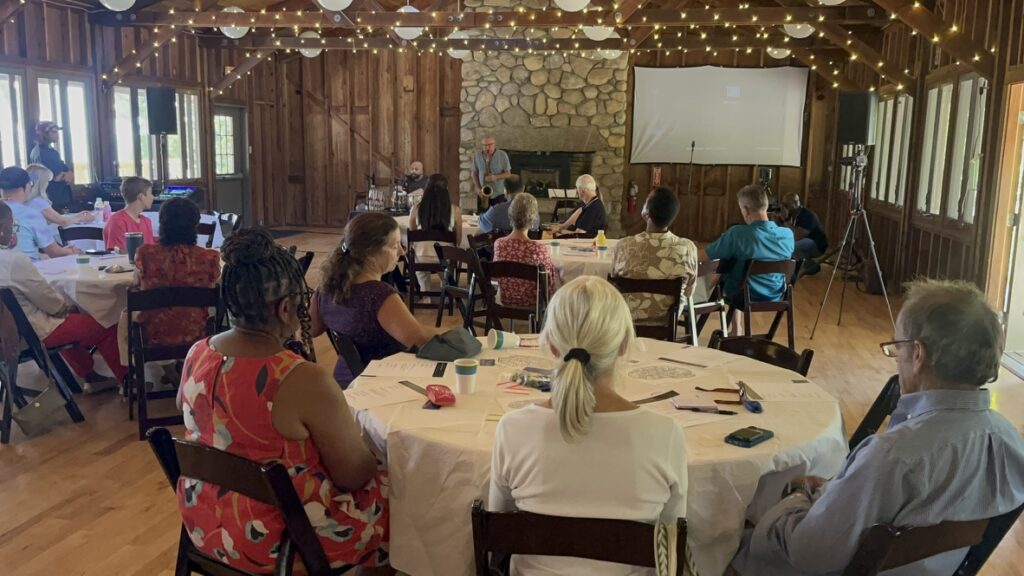
Held on Martha’s Vineyard, the multigenerational event brought together scientists, physicians, educators, business leaders, musicians, innovators, children and families to explore an important idea: brain health isn’t something we should begin thinking about when something goes wrong. It is something we can cultivate throughout life.
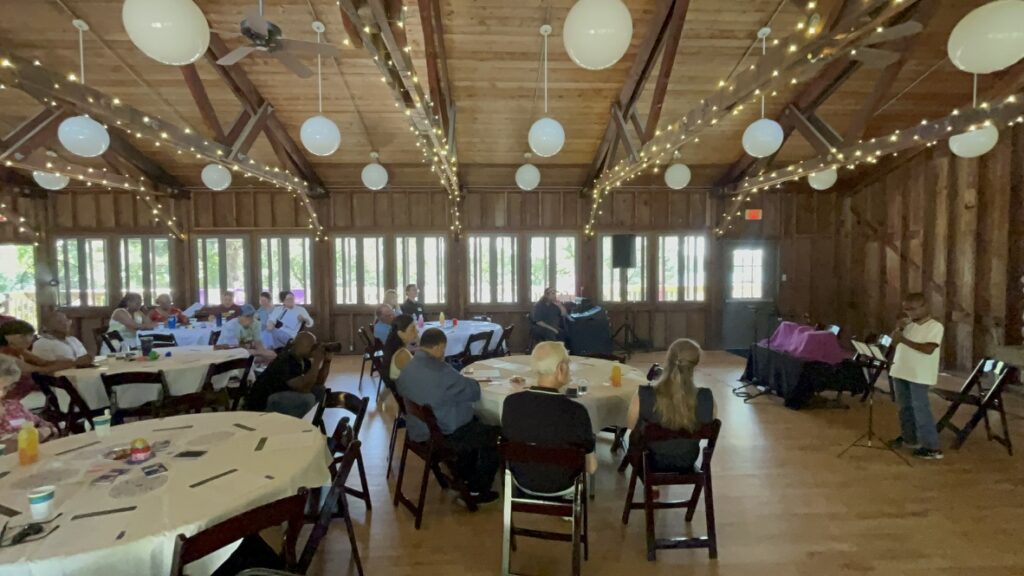
Brain Health Starts With Our Youngest Vines
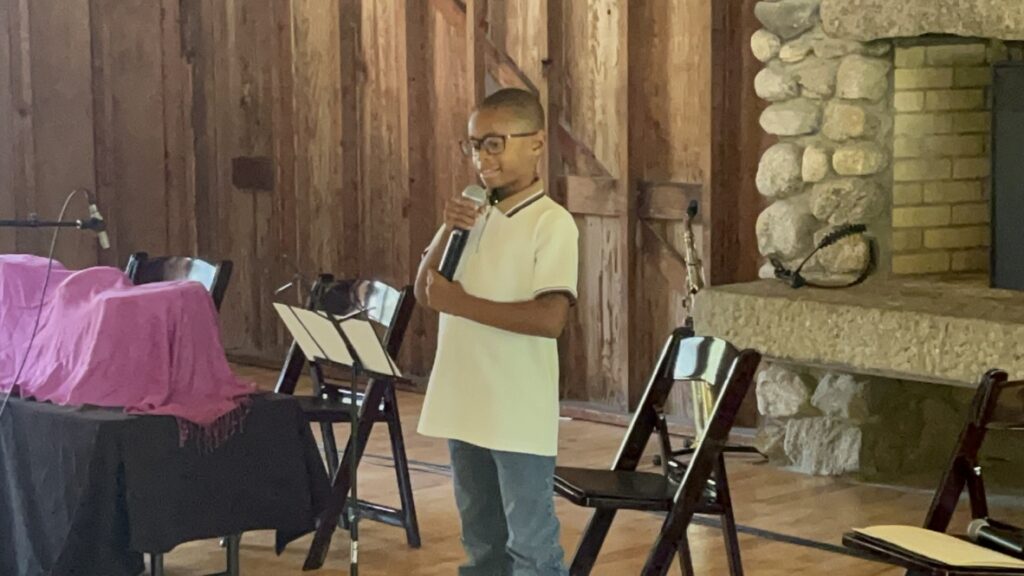
Eight-year-old Junior Olympian, author and brain health advocate Shawn “The Brain Capital Kid” Letford opened the forum with a message that turned the traditional brain health conversation upside down:
“Brain health needs to start in childhood, and we need all of the adults to help us. If we don’t take care of our brains, who will take care of YOU!?”
Shawn encouraged families to run, move and play for their brain health, connecting his own experience as an All-American Junior Olympian with his mission to help children understand and care for their brains.
Dr. Lawrence Jones, founder of Minds Across the Vineyard, intentionally placed a child’s voice at the beginning of the event.
“The brain health and brain economy message needs to span all demographics and be a family message,” he explained. “Having Shawn open the event was purposeful on our part because we want America and the world to know that our children’s voices on brain health are voices we need to listen to. Brain health starts in utero, and that is how you build the brain economy.”
And then something wonderful happened outside.
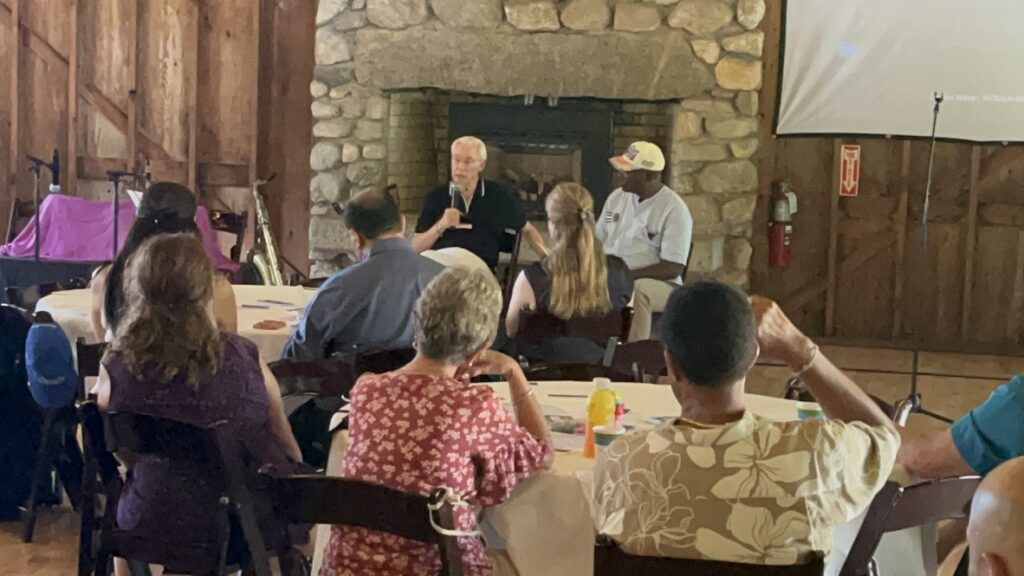
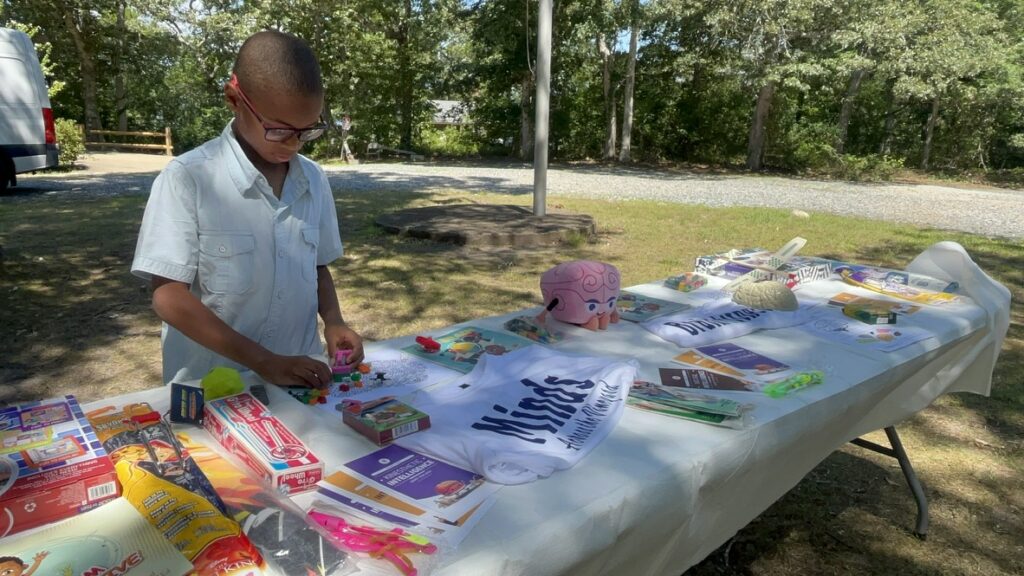
While Adults Talked About Brain Health, Kids Were Practicing It
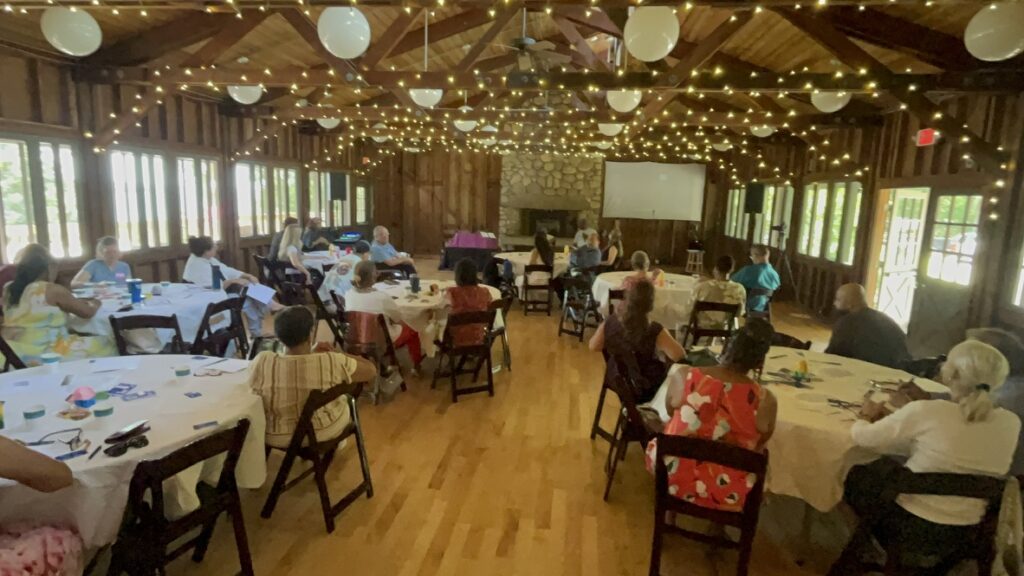
Inside, adults were learning about movement, relationships, workplace wellbeing, technology, AI, music and lifelong brain health. Some were even coloring and building with LEGO while listening.
Outside, the children had a different kind of brain health workshop going on.
They had ropes.
And imagination.
The children began stretching and arranging the ropes, transforming an ordinary outdoor space into their own pretend playground and zipline.
There were no elaborate instructions telling them exactly what to build. They had to imagine possibilities, make decisions, communicate with one another, solve problems and change their ideas when something didn’t work.
In other words, they were thinking about their thinking.
That is metacognition.
They were also using imagination to mentally create something that did not yet exist and then attempting to bring that idea into the physical world.
These are powerful forms of higher-order thinking.
When the adults glanced outside to check on them, the children were moving, collaborating, problem-solving and transforming the outdoor environment into an imaginary world while adults inside colored and built with LEGO as they listened to lectures on the brain economy. This was a brain health forum like no other.
That both scenes may have been one of the most important lessons of the entire day.
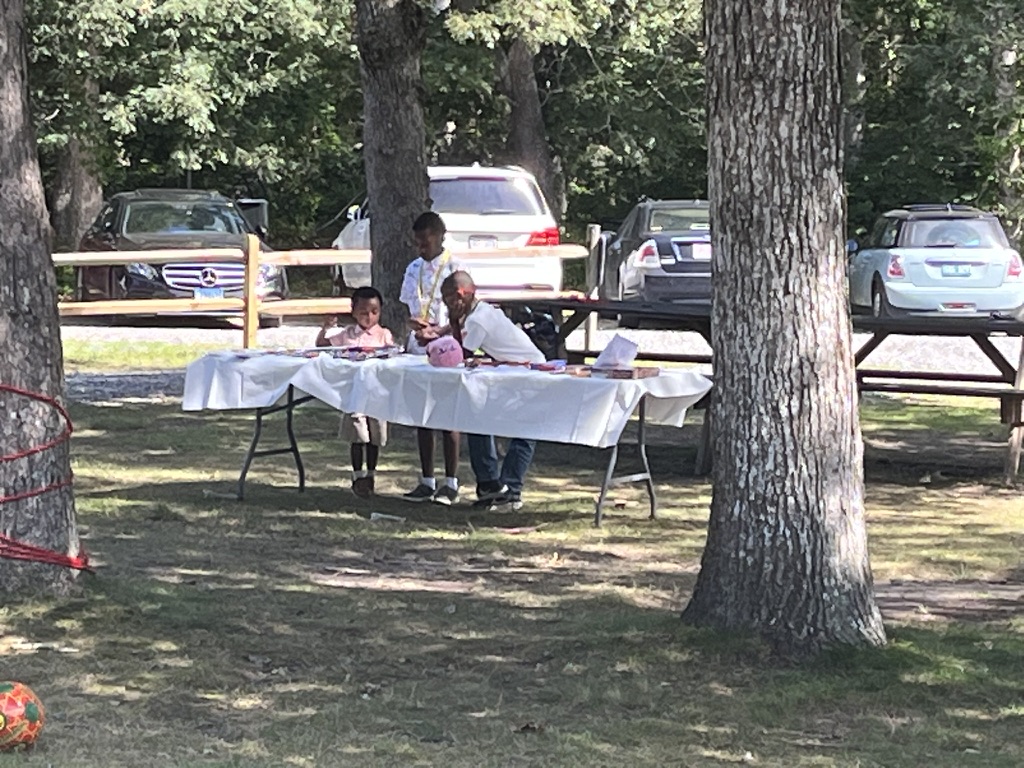
Sometimes Growing a Brain Looks Like Play
In a vineyard, you cannot pull on a vine and force it to grow faster. You create the conditions for growth.
Families can think about brain health in much the same way.
We can create environments where children and adults in the workforce have opportunities to move their bodies, make music, create art, get adequate rest, eat nourishing foods, develop meaningful relationships, experience nature, solve problems and sometimes simply become wonderfully bored enough to invent a zipline out of a pile of ropes.
Technology has an important place in our children’s future. But children also need opportunities to develop the human capacities that technology cannot develop for them.
As Genein Letford shared during the forum:
“The way to prepare ourselves and our kids for a high-tech world is with a low-tech, analog foundation.”
Her message called attention to creativity, expression, connection and the arts as important parts of developing human potential.
What Is Growing on Your Family’s Vine?
This is where every family can join the brain health movement.
You don’t need to be a neuroscientist.
You don’t need an expensive brain-training program.
Start by looking at the environment around your family.
Where is movement growing?
Where is creativity growing?
Where is music growing?
Where are relationships growing?
Where is rest growing?
Where is curiosity growing?
Where does your child have time to imagine, wonder, build, experiment and figure something out without an adult immediately giving them the answer?
Every experience is another opportunity to nurture the vine.
Because brain health doesn’t only happen in hospitals, laboratories or doctors’ offices. It happens on playgrounds and around dinner tables. It happens while dancing in the kitchen, drawing a picture, running outside, singing together, building with LEGO or turning a pile of ropes into the greatest imaginary zipline Martha’s Vineyard has ever seen.
Minds Across the Vineyard reminded us that healthier communities begin with healthier brains, and healthier brains are cultivated across a lifetime.
So perhaps the question for families isn’t simply:
“How do I protect my child’s brain?”
Maybe it’s also:
“What are we growing?”
Give those young brains rich soil, strong roots, room to branch out and plenty of opportunities to connect.
Then stand back and watch what grows.
Now that is Brainolicious. 🧠🍇
Visit MindsAcrossTheVineyard.com for more info on the annual summit.